

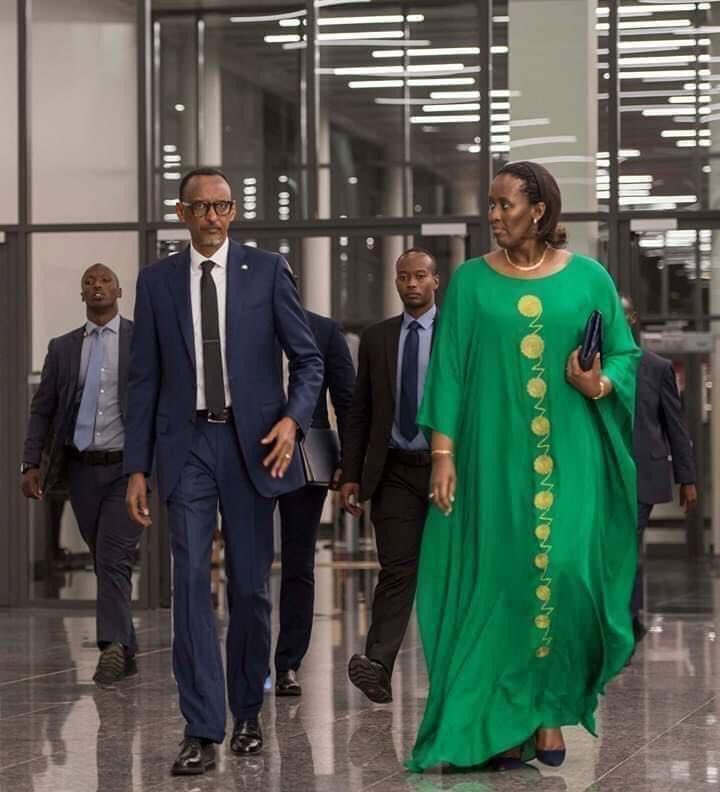
Rwanda has taken a bold and controversial step in reshaping its religious landscape, with President Paul Kagame announcing the closure of more than 6,000 churches and mosques across the country. The move is part of a broader effort to regulate religious institutions and ensure that places of worship meet national standards. Authorities argue that many of the closed establishments failed to comply with safety, hygiene, and legal requirements, raising concerns about the welfare of congregants and the integrity of religious practice.
At the center of this reform is a new requirement that all religious leaders obtain formal theological training. According to Kagame, faith leadership should not be treated casually or exploited for personal gain. By introducing academic qualifications, the government aims to promote informed preaching, ethical leadership, and accountability within religious communities. Officials believe this step will help curb the rise of unqualified individuals who use religion as a business rather than a calling.
The policy has sparked mixed reactions both within Rwanda and internationally. Supporters see it as a necessary intervention to protect citizens from exploitation and to uphold the dignity of religion. Critics, however, argue that the closures and strict regulations may infringe on religious freedom and limit grassroots expressions of faith. The debate highlights the delicate balance between state oversight and the constitutional right to worship freely.
Despite the controversy, Rwanda continues to position itself as a country focused on order, development, and responsible governance. President Kagame has emphasized that the reforms are not aimed at suppressing religion but at preserving its value in society. As the country moves forward with implementing these measures, the world is watching closely to see how this approach will shape the future of faith, leadership, and community life in Rwanda.
#pearlreportug.comNews
