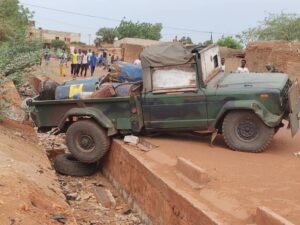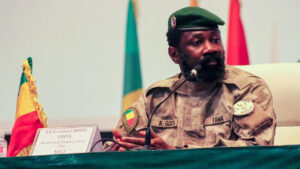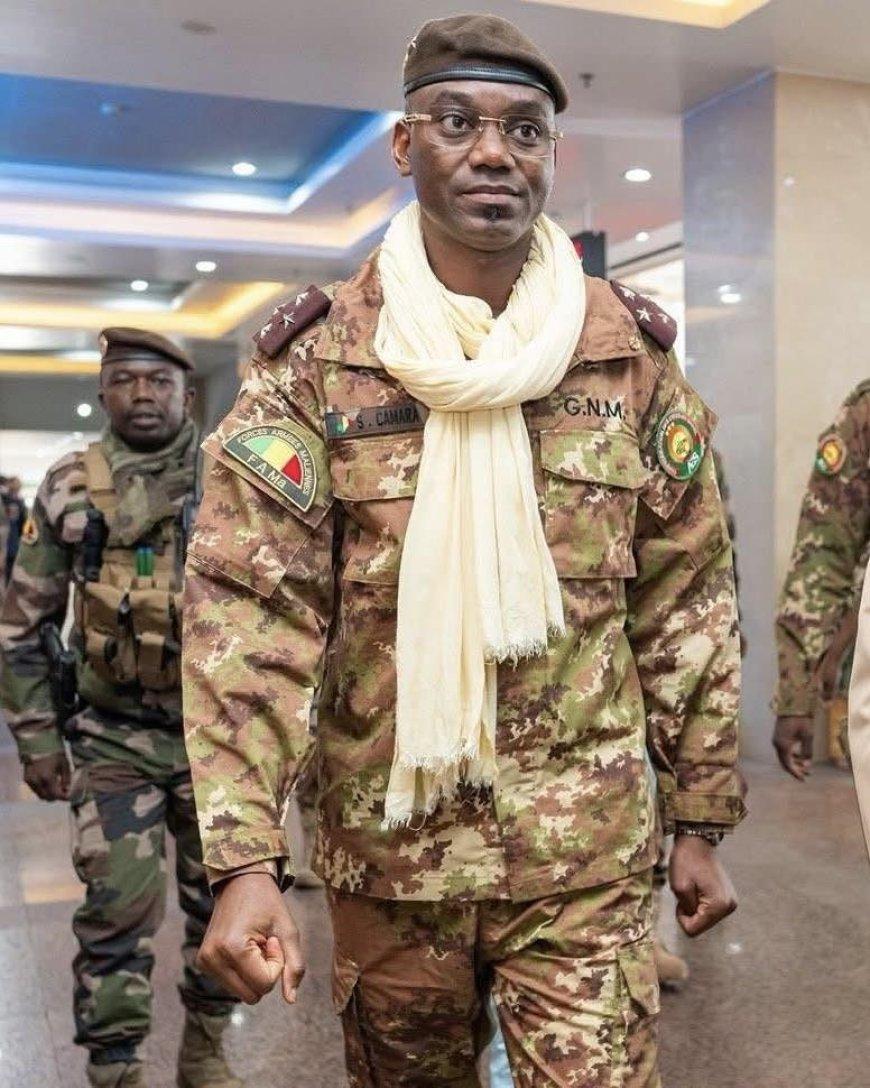
Mali has been shaken by a deadly attack that claimed the life of Defense Minister Sadio Camara in what authorities describe as a coordinated suicide bombing at his private residence. The assault, carried out by heavily armed attackers using an explosives-laden vehicle, marks one of the most significant strikes against the country’s leadership in recent years.
According to early reports, Camara resisted the attackers during the assault, engaging them in a firefight as they advanced on his home. Security sources say several of the assailants were killed during the exchange. Despite his efforts to repel the attackers, the minister sustained critical injuries and later died from his wounds.
The explosion caused widespread devastation beyond the immediate target. A nearby mosque collapsed under the force of the blast, trapping worshippers inside. Emergency responders rushed to the scene, but multiple casualties were reported as rescue teams worked through the debris in search of survivors.
The attack highlights the persistent security challenges facing Mali, where extremist violence and instability have continued despite ongoing military operations. Officials have not yet confirmed which group was responsible, though investigations are underway and security has been heightened across key areas.
Government representatives have condemned the attack, describing it as an assault on the nation itself. Tributes have begun to pour in for Camara, with many portraying him as a figure who died defending his home and country. As the nation mourns, questions remain about how such a high-profile breach of security was carried out.