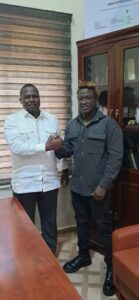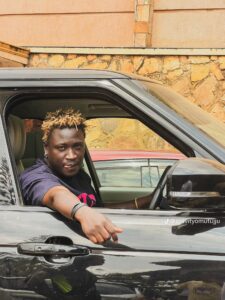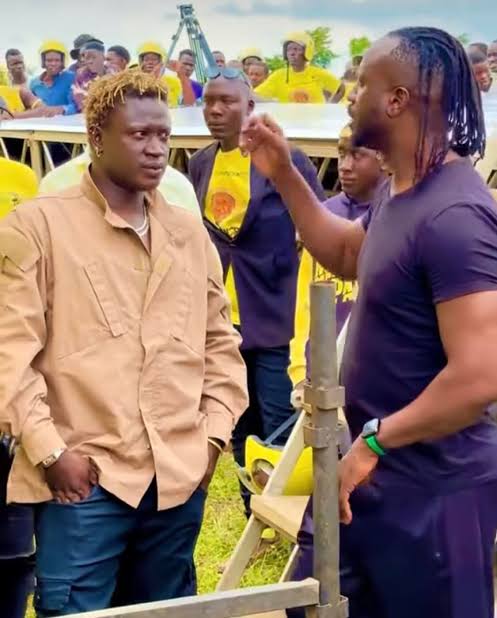
Ugandan singer Gravity Omutujju has sparked fresh controversy after going live on TikTok to publicly demand payment for his performances during the ruling party’s campaign period. In the viral livestream, the artist directly called out fellow musician Bebe Cool, accusing him of failing to settle agreed payments linked to campaign shows organized under the National Resistance Movement (NRM).
According to emerging reports circulating online, Gravity claims he is owed a substantial sum for the performances he delivered while mobilizing crowds during the NRM campaign activities. The dispute appears to revolve around money that was allegedly coordinated through Bebe Cool, who has been closely associated with pro-government mobilization efforts in Uganda’s political entertainment space. 
In addition to the money he says is owed by Bebe Cool personally, Gravity Omutujju also demanded a larger payment reportedly tied to the broader campaign structure. He referenced hundreds of millions of Ugandan shillings—figures that have been widely quoted around UGX 400 million or more—as compensation he believes is due for his involvement in the National Resistance Movement campaign events. 
The TikTok Live session quickly gained traction, drawing attention from fans and political observers alike. In the broadcast, Gravity expressed frustration and hinted at possible legal action if the matter is not resolved, escalating what had previously been behind-the-scenes tensions into a very public dispute. 
This situation highlights the often complex relationship between entertainment and politics in Uganda, where musicians frequently play major roles in campaign mobilization. Artists like Bebe Cool have historically been visible supporters of the NRM, while others have aligned with opposition movements, making payment disputes like this particularly sensitive and politically charged.
As of now, there has been no widely reported official response from Bebe Cool or the NRM campaign team regarding Gravity Omutujju’s claims. The story is still developing, but the public nature of the accusations—amplified through social media—suggests it could evolve into a larger conversation about transparency, artist compensation, and the role of musicians in political campaigns in Uganda.