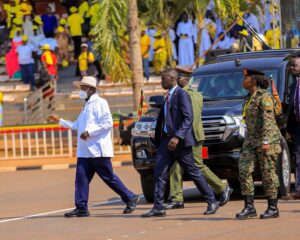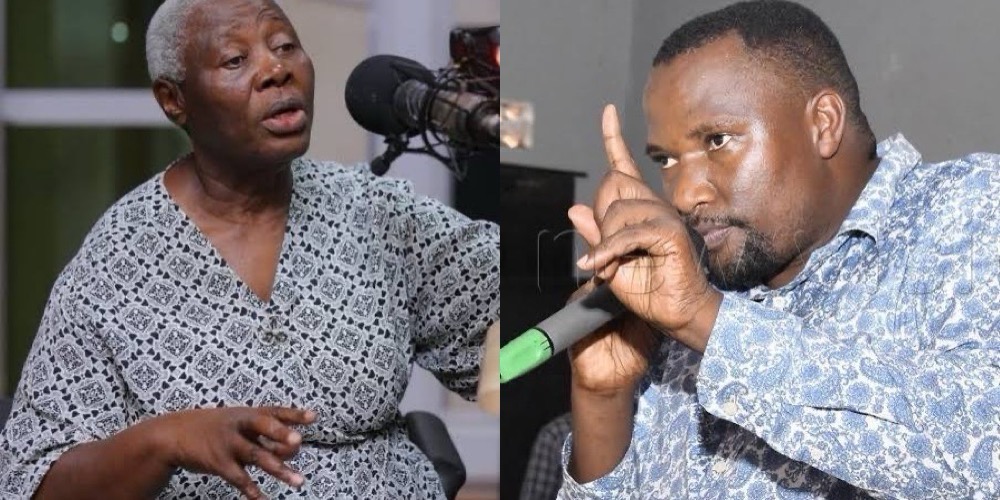
Gen. Proscovia Nalweyiso’s warning to presidential advisors reflects a growing concern within Uganda’s political space about the impact of social media conduct on public trust and governance. According to recent reports, she cautioned officials like Jennifer Nakangubi and Kisakyamukama against using online platforms to insult or attack others, emphasizing that such behavior could attract disciplinary action, including dismissal. 
Across Ugandan social platforms—especially Facebook, TikTok, and X (Twitter)—political discourse has increasingly taken a confrontational tone. Influencers and politically aligned figures often engage in personal attacks, public feuds, and emotionally charged exchanges to mobilize supporters or remain relevant. This trend, while boosting visibility and engagement, has also drawn criticism from sections of the public who view it as unprofessional and damaging to the image of government institutions.
Data trends observed on these platforms show that controversial posts and direct insults tend to generate significantly higher interaction (likes, shares, and comments) compared to formal political communication. As a result, some political actors adopt provocative language to maintain online dominance. However, this has created a cycle where online popularity is prioritized over responsible leadership communication.
Gen. Nalweyiso’s remarks also highlight a deeper institutional concern: that the conduct of presidential advisors reflects directly on Yoweri Kaguta Museveni and the credibility of his administration. When advisors engage in public disputes or abusive rhetoric, it raises questions among citizens about the standards of leadership and professionalism within government.
In Uganda’s digital political landscape, there is now a visible divide. On one side are officials and supporters who use social media as a tool for mobilization and influence, often through sensational content. On the other side are critics and civil society voices calling for regulation, digital discipline, and accountability. Nalweyiso’s warning can therefore be seen as part of broader efforts to restore decorum and ensure that public officials use social media in a way that aligns with national values and leadership expectations.
Ultimately, the situation underscores the growing power of social media in shaping political narratives in Uganda—and the urgent need for clear guidelines on how public officials engage online.