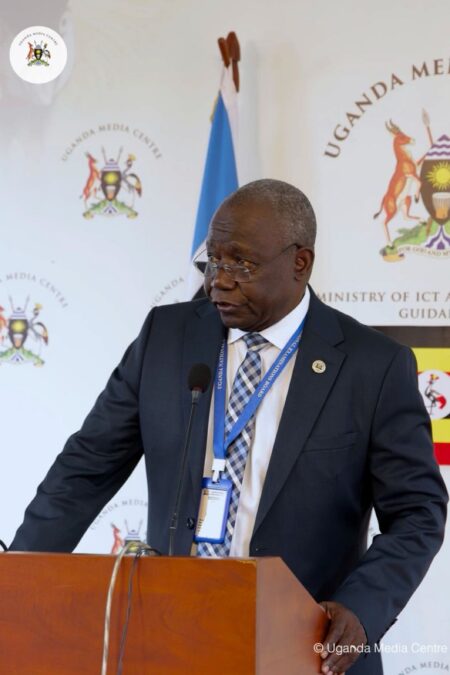



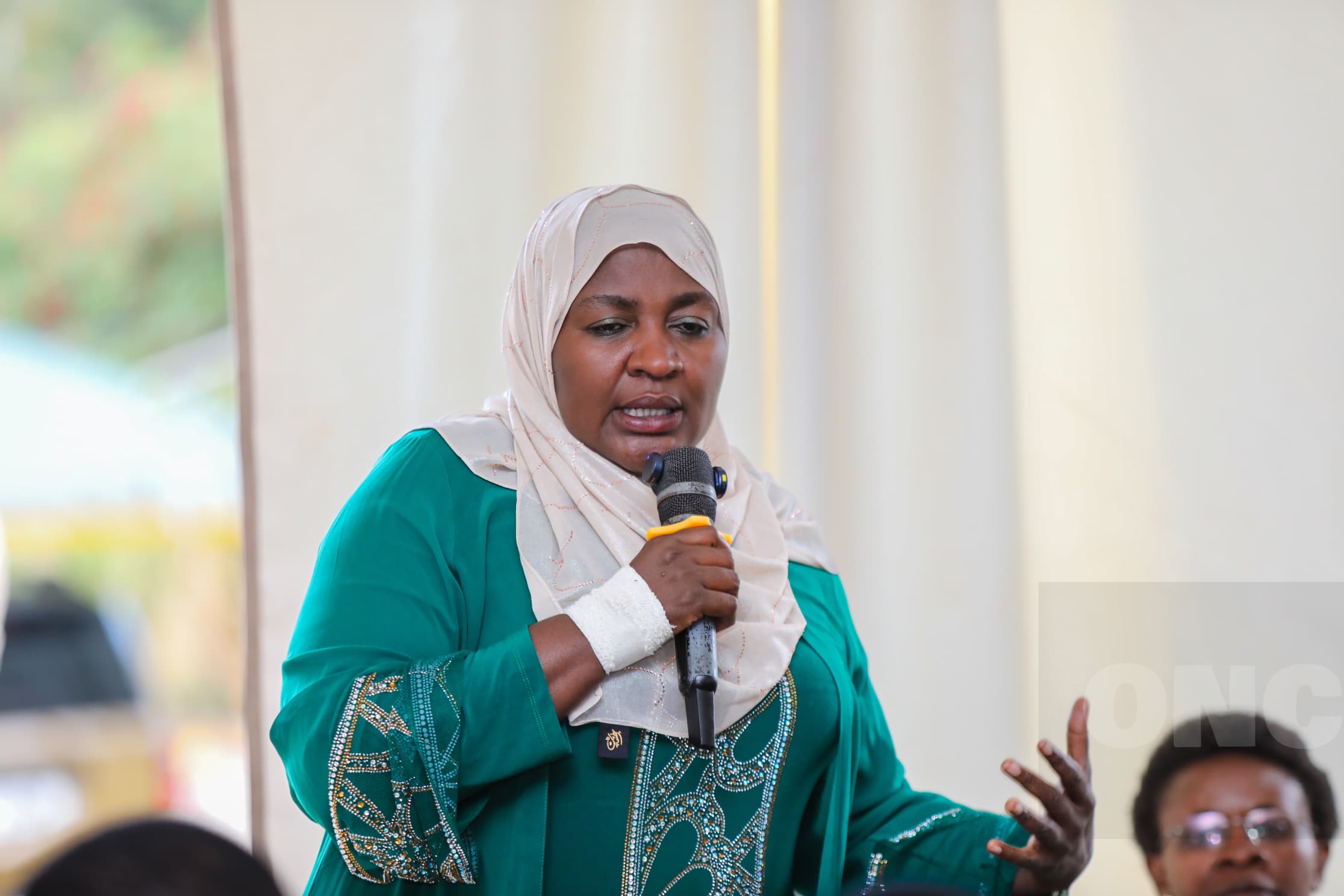
Hadijah Namyalo, Manager of the Office of the National Chairman (ONC), has called for a more robust and uncompromising fight against corruption, describing it as one of the greatest impediments to Uganda’s social and economic transformation. She argued that corruption continues to undermine service delivery and frustrate poverty eradication efforts by diverting resources and weakening institutions intended to improve citizens’ livelihoods. According to Namyalo, meaningful national development cannot be achieved unless the country decisively addresses the vice at all levels.
Namyalo further emphasized that combating poverty must be accompanied by deliberate investments in youth empowerment, skills development, and sustainable employment opportunities. She urged institutions responsible for labour and employment to strengthen initiatives that facilitate job creation, noting that young people should be equipped with practical avenues for economic participation upon completing their education. She maintained that expanding employment opportunities would enable individuals to support their families and contribute meaningfully to national growth.
Highlighting the work of the ONC, Namyalo said the office continues to play a critical role in mobilizing communities, advocating for resources, and connecting citizens to government programs. She cited interventions in sectors such as agriculture and fisheries, where the office has supported farmers and fishing communities through engagement, sensitization, and the promotion of government-approved standards. These efforts, she noted, are aimed at improving productivity and enhancing household incomes.
She also underscored the importance of public awareness in ensuring the success of government initiatives. According to Namyalo, many Ugandans remain insufficiently informed about programs such as the Parish Development Model, Operation Wealth Creation, tourism opportunities, and services available within public health facilities. She stressed that empowering citizens with knowledge of these initiatives is essential for increasing participation and maximizing their intended benefits.
Namyalo criticized leaders who only engage with citizens during election periods, arguing that effective leadership requires continuous interaction with communities. She contended that leaders should consistently educate the public about government programs, policies, and national development priorities rather than limiting their presence to campaign seasons. In her view, sustained civic engagement is fundamental to strengthening public trust and advancing the implementation of the national agenda.
Addressing the role of young people in Uganda’s future, Namyalo observed that today’s youth are increasingly informed, independent-minded, and politically conscious due to advancements in information and communication technology. While expressing concern about the pressure rapid population growth places on healthcare, education, and infrastructure, she urged citizens to actively embrace available opportunities and participate in government initiatives. She concluded by calling for intensified nationwide sensitization campaigns, emphasizing that both government and citizens share responsibility for driving Uganda’s social and economic transformation.