

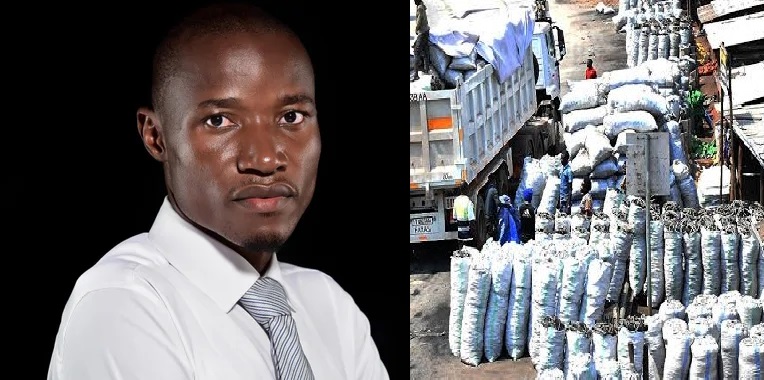
By: Hakim Kyeswa
Uganda’s ongoing debate over charcoal restrictions has brought an important question to the forefront: how can the country protect its environment without worsening the economic hardships faced by ordinary citizens? While conserving forests and promoting clean energy are essential national priorities, implementing a total ban before affordable alternatives are readily available risks placing an unbearable burden on millions of households.
For many Ugandans, charcoal is not a luxury but a basic necessity. Low-income families, restaurants, street-food vendors, schools and other small businesses depend on it to prepare meals and sustain their livelihoods. An abrupt restriction could increase household expenditure, threaten jobs and push the cost of basic food services even higher at a time when many citizens are already struggling to make ends meet.
The position advanced by Senior Presidential Advisor on Political Affairs and Manager of the Office of the NRM National Chairman, Hajjat Hadijah Namyalo Uzeiye, highlights the importance of placing the ordinary Ugandan at the centre of public policy. Her argument is that government should first ensure that alternative cooking fuels are affordable and accessible before imposing restrictions that could leave vulnerable households with few practical options.
Environmental conservation, however, remains an urgent responsibility. Uncontrolled tree cutting and unsustainable charcoal production contribute to forest degradation, threatening biodiversity, rainfall patterns and the livelihoods of communities that depend on agriculture. The solution must therefore go beyond either defending unrestricted charcoal production or demanding an immediate nationwide ban. Uganda needs a carefully planned transition that protects both its natural resources and its people.
A practical approach would involve regulating commercial charcoal production, promoting sustainable tree farming, encouraging reforestation and strengthening enforcement against illegal destruction of protected forests and wetlands. Equally important, government should support low-income households through affordable gas, improved cooking technologies, accessible electricity tariffs and reliable distribution networks. These measures would enable citizens to transition gradually without being forced into deeper poverty.
Parliament’s recent decision to suspend enforcement of the charcoal restrictions pending further government clarification demonstrates the importance of consultation, preparation and realistic implementation. Environmental policies are more likely to succeed when citizens understand them, can afford to comply with them and have confidence that the law is being applied fairly. Enforcement must target environmental destruction while safeguarding legitimate livelihoods and preventing abuse of authority.
Ultimately, Uganda does not have to choose between protecting its forests and protecting its people. It can pursue both objectives through responsible regulation, investment in clean cooking alternatives and meaningful public engagement. As the country advances its development agenda, the guiding principle should remain clear: environmental protection must improve the lives of Ugandans, not make the daily struggle for survival more difficult.
