

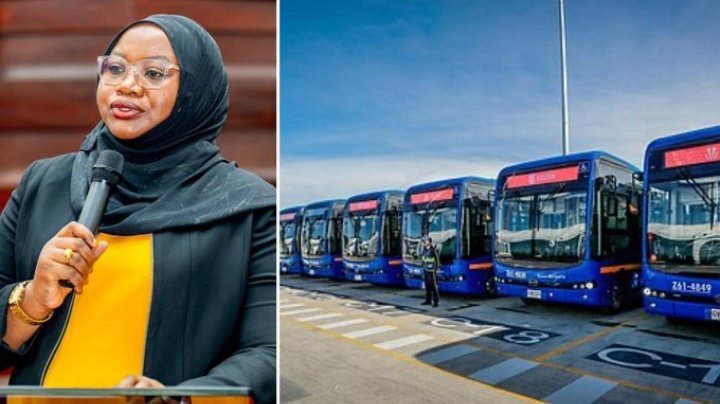
Kampala is on the brink of a major shift in urban transport, with the Kampala Capital City Authority (KCCA) confirming the rollout of its first electric buses before the end of May. The initial phase will see eight buses deployed following formal approval from Cabinet, marking a bold step toward modernising public transport in the capital. City officials say the move reflects growing urgency to address long-standing mobility challenges.
KCCA Executive Director Sharifah Buzeki revealed that preparations had already been underway prior to the final approval, indicating that the authority is keen to move quickly from planning to implementation. The buses are expected to operate along key transport corridors, where congestion is most severe, offering commuters a cleaner and potentially more reliable alternative.
The introduction of electric buses is part of a broader strategy to reduce traffic congestion, cut carbon emissions, and lessen the city’s dependence on fuel-powered vehicles. With Kampala’s roads increasingly choked by private cars and informal transport systems, authorities hope the new fleet will encourage a shift toward organized mass transit while improving air quality in the process.
However, the eight-bus rollout is only a pilot phase designed to test operational efficiency, infrastructure readiness, and public reception. Lessons learned from this trial will inform future expansion plans, including scaling up the fleet and integrating it more fully into Kampala’s wider transport network.
Still, the announcement has sparked mixed reactions among residents, many of whom question whether the project will be sustained. Uganda has seen several promising initiatives lose momentum over time due to funding gaps, poor maintenance, or weak enforcement. As such, while the electric buses signal progress, their long-term success will depend on consistent management, investment, and accountability to ensure they do not become yet another short-lived solution.
