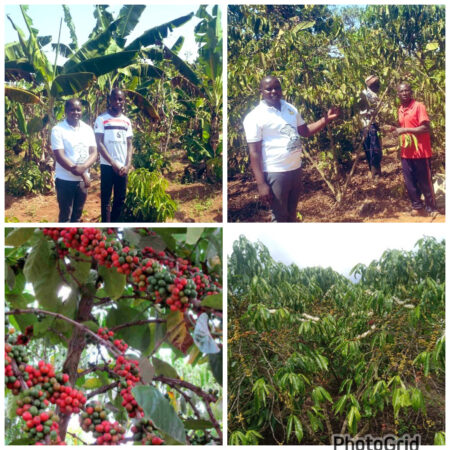


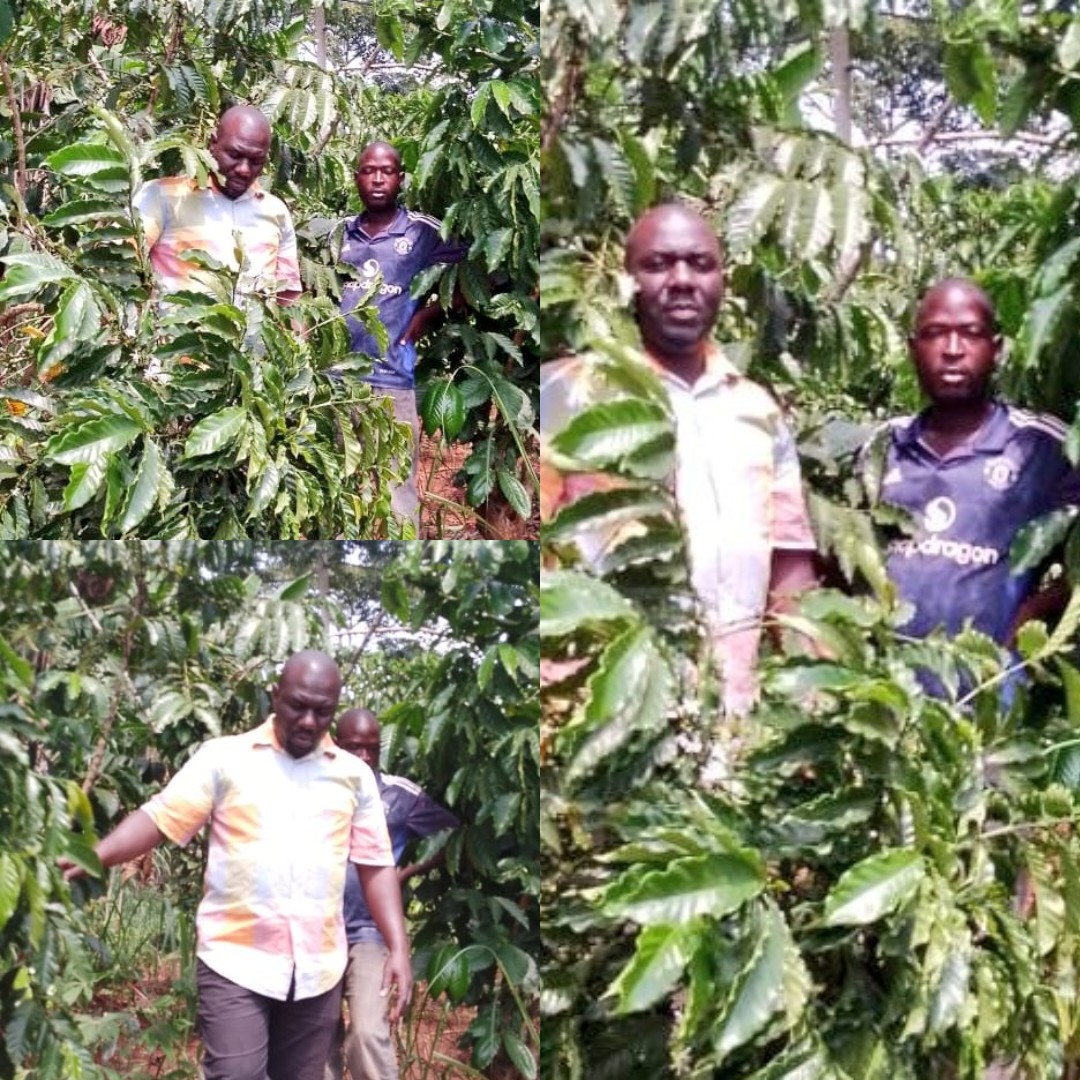
In the heart of Nawampiti Sub-county, Luuka District, a remarkable example of agricultural transformation is unfolding as local farmers embrace more sustainable and economically viable enterprises. Among them is Mr. Kirya Sabasi, a 48-year-old resident of Ikonia Village, Buyoola Parish, whose strategic shift from sugarcane cultivation to coffee farming is gradually reshaping his household’s economic prospects and food security.
For many years, Mr. Kirya relied primarily on sugarcane farming as his main source of livelihood. However, the enterprise increasingly proved less rewarding due to the lengthy maturity period of the crop and the limitations imposed by his modest one-acre piece of land. Faced with the challenge of maximizing productivity within constrained acreage, he sought an alternative venture capable of generating higher returns while supporting diversified agricultural production.
Recognizing the growing potential of Uganda’s coffee sector, Mr. Kirya expanded his coffee plantation beyond its original half-acre coverage. The transition involved clearing additional land and establishing more coffee seedlings, with the objective of creating a long-term income-generating enterprise. Although the coffee trees have not yet reached full production, the investment has already begun yielding indirect benefits through a carefully managed intercropping system.
By cultivating cassava, bananas, and other food crops between the coffee rows, Mr. Kirya has succeeded in maintaining a consistent supply of food for his household while awaiting the maturation of the coffee plantation. This integrated farming approach has enhanced land utilization, reduced dependency on a single crop, and strengthened household resilience against fluctuations in agricultural markets.
According to Mr. Kirya, the decision to diversify into coffee farming has significantly improved the efficiency with which he utilizes his limited land resources. The combination of food crops and perennial cash crops has created a balanced agricultural model that addresses both immediate household needs and future financial aspirations. He remains optimistic that once the coffee plantation becomes fully productive, it will provide a stable and sustainable source of income for his family.
Agricultural experts often cite such adaptive farming practices as essential for rural transformation and long-term economic sustainability. Mr. Kirya’s experience demonstrates how strategic enterprise diversification, coupled with efficient land management, can enhance food security, strengthen household incomes, and build a foundation for enduring prosperity within rural communities.