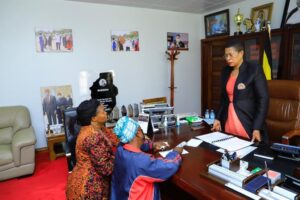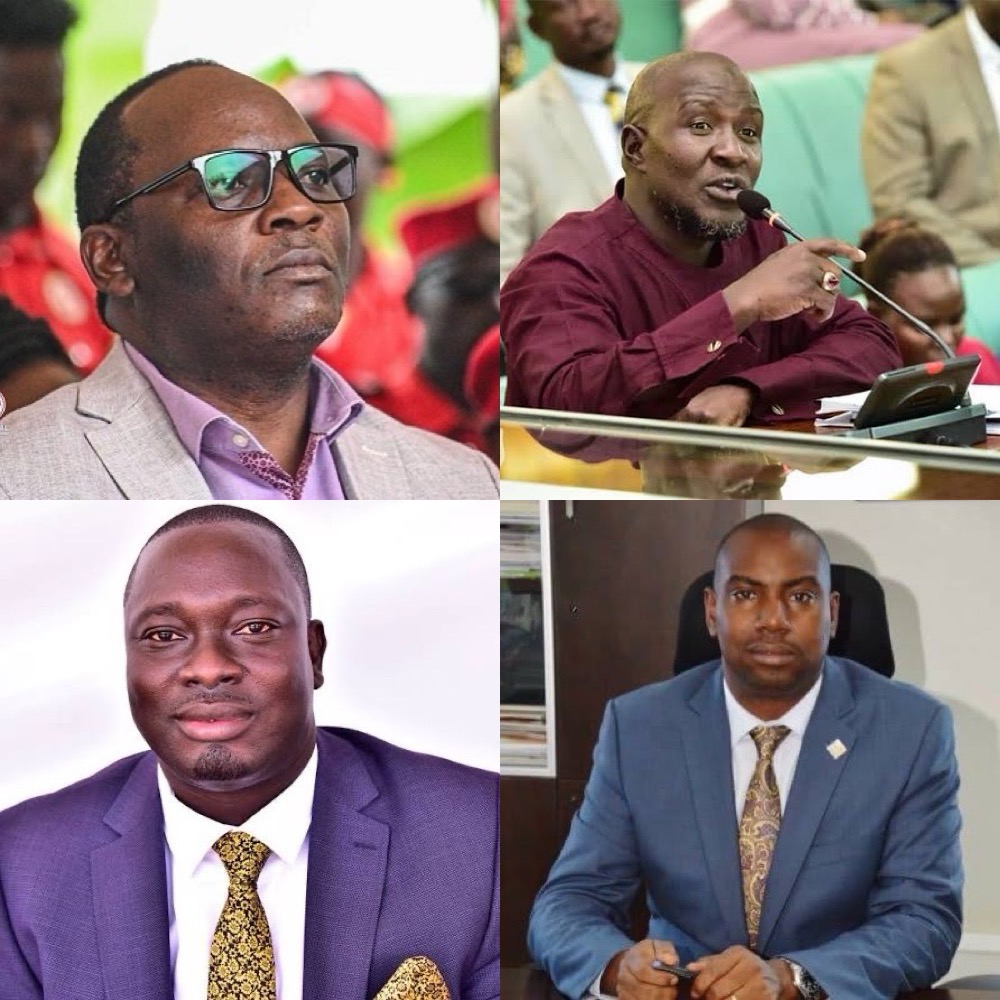
Reports circulating within Uganda’s political establishment indicate that six Members of Parliament have allegedly been summoned to the CID Headquarters in Kibuli to record statements regarding claims of involvement in multi-billion-shilling business interests purportedly linked to Anita Annet Among. The legislators named in the reports include Hon. Solomon Silwanyi, Hon. Dickson Kateshumbwa, Hon. Kawalya Abubaker, Hon. Mathias Mpuuga, Hon. Cissy Namujju, and Hon. Asuman Basalirwa. While official details surrounding the summons remain limited, the development has already intensified public discourse surrounding wealth accumulation, political patronage, and accountability within Uganda’s ruling elite.
The unfolding controversy emerges against the backdrop of longstanding scrutiny directed at Speaker Among, whose tenure has repeatedly been overshadowed by allegations of corruption, extravagant expenditure, and misuse of public office. International attention escalated in 2024 when both the United Kingdom and the United States imposed sanctions against her over corruption-related allegations connected to the Karamoja iron sheets scandal, accusations she has consistently denied.  These sanctions, which included travel restrictions and asset freezes, significantly dented the international reputation of Uganda’s Parliament and amplified domestic calls for institutional transparency.
Beyond the sanctions, social media activism and civic pressure campaigns such as the widely publicized #UgandaParliamentExhibition further exposed alleged financial impropriety within Parliament. Activists and accountability advocates accused senior parliamentary officials of presiding over excessive expenditures, inflated allowances, and questionable procurement arrangements, thereby portraying Parliament as an enclave of unchecked privilege operating detached from the economic realities faced by ordinary Ugandans.  The controversy transformed Speaker Among into one of the most polarizing political figures in contemporary Ugandan governance.
Recent reports have also linked the Speaker to fresh investigations concerning alleged breaches of Uganda’s Leadership Code Act, particularly regarding declarations of wealth and assets. The Inspectorate of Government confirmed that petitions seeking investigations into her financial disclosures had formally been received and were under review.  These allegations have reignited public debate over the accumulation of immense wealth among political elites amid worsening economic hardship, youth unemployment, and mounting public frustration over governance standards.
Against this turbulent political landscape, the alleged summons of the six MPs has generated speculation about widening investigations into networks of influence and business dealings within Uganda’s political establishment. Observers argue that if substantiated, the accusations could expose an intricate web of political patronage in which public office, commercial enterprise, and personal enrichment allegedly intersect behind the scenes of state power. Others, however, caution against premature conclusions, emphasizing the importance of due process and warning against trial by public opinion in an increasingly charged political climate.
As Uganda approaches another decisive political season, the controversy threatens to deepen mistrust between citizens and public institutions. For many Ugandans, the recurring allegations surrounding Parliament symbolize a broader crisis of accountability in national leadership, where accusations of corruption continue to eclipse promises of reform and service delivery. Whether the investigations culminate in prosecutions, exonerations, or political maneuvering, the unfolding developments are likely to leave a profound imprint on Uganda’s political narrative and on public perceptions of integrity within the country’s highest offices.