

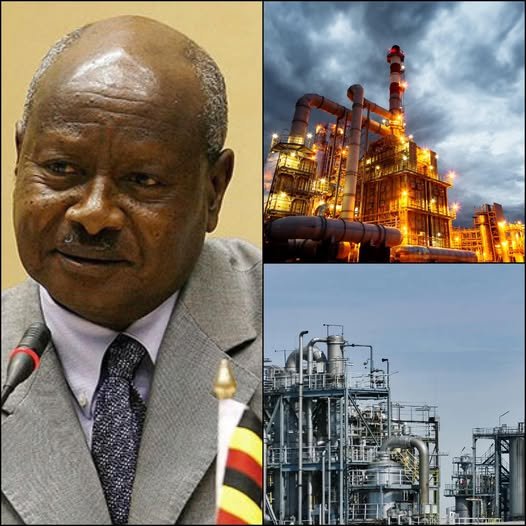
Uganda has officially taken a decisive step toward transforming its energy landscape with the advancement of its $4 billion oil refinery project. This long-anticipated development marks a turning point in the country’s economic and industrial trajectory, signaling a shift from heavy reliance on imported petroleum products to building a self-sustaining energy ecosystem. With vast oil reserves already confirmed, Uganda is now positioning itself to fully harness its natural resources for long-term national growth.
At the heart of this transformation is the refinery’s planned capacity to process 60,000 barrels of oil per day. This capability is expected to significantly reduce the country’s fuel import bill, stabilize domestic fuel prices, and ensure a more reliable supply for households and businesses. By refining its own crude oil, Uganda will not only cut costs but also strengthen its energy security in an increasingly unpredictable global market.
The refinery project is also set to ignite industrial growth across multiple sectors. Reliable and locally produced fuel will provide a critical boost to manufacturing, transportation, and agriculture, lowering operational costs and encouraging investment. As energy becomes more accessible, industries can expand, productivity can increase, and new opportunities for innovation and enterprise will emerge throughout the economy.
Beyond industrial impact, the project is expected to generate substantial revenue for the government and create thousands of jobs for Ugandans. From construction to long-term operations, the refinery will require a skilled workforce, opening doors for training, employment, and capacity building. This influx of economic activity has the potential to uplift communities and contribute to broader national development goals.
In addition, the refinery will drive the expansion of vital infrastructure, including pipelines, storage facilities, and water systems. These developments will not only support oil production but also improve overall connectivity and logistics within the country. Enhanced infrastructure will make it easier to transport goods, attract investors, and integrate Uganda more deeply into regional and global markets.
Perhaps most significantly, this project sets Uganda on a path to becoming a net exporter of refined petroleum products for the first time in its history. With production expected to begin around mid-2026, the nation stands at the threshold of a new era—one defined by energy independence, economic resilience, and global competitiveness. The refinery is more than just a project; it is a bold statement about Uganda’s future and its determination to shape it.
