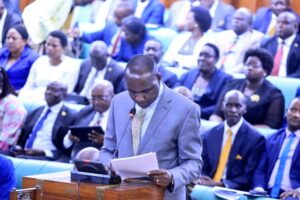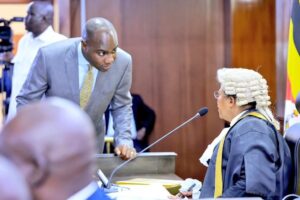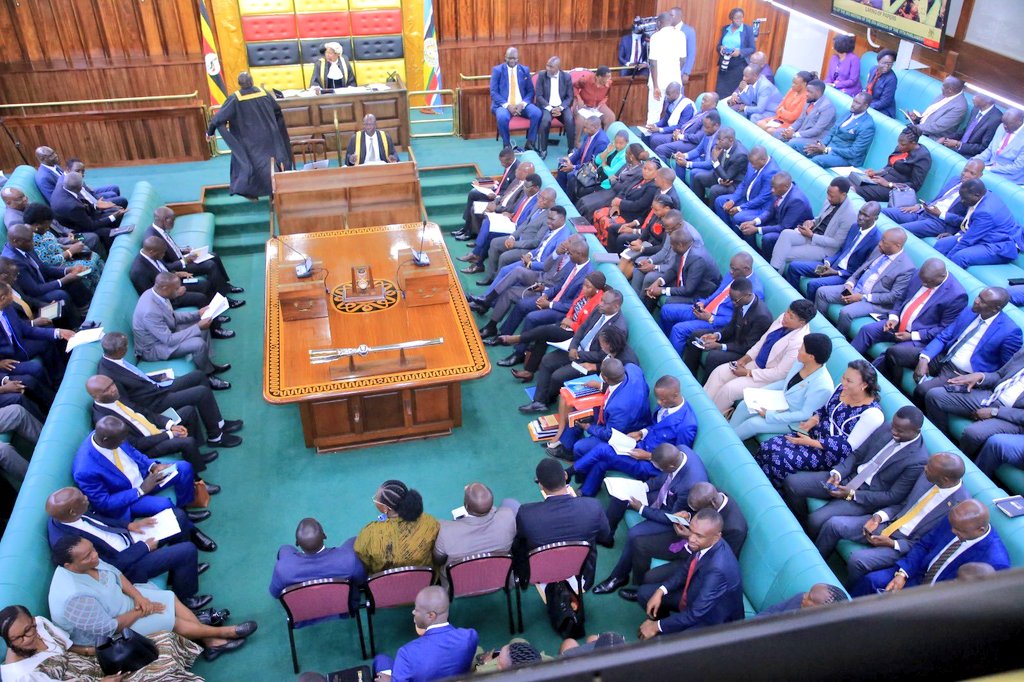
The approval of Supplementary Expenditure Schedule No. 5 for the Financial Year 2025/26 marks a significant fiscal intervention by Parliament, amounting to Shs 1,105.16 billion. This development underscores the government’s continued effort to recalibrate budgetary priorities in response to emerging national demands. Presented by the Minister of State for General Duties, Henry Musasizi, the supplementary allocation reflects a strategic blend of internal adjustments and external financing mechanisms aimed at sustaining economic stability and service delivery.
A substantial portion of the funding—Shs 985.8 billion—derives from reallocation efficiencies in budget execution and improved cash management, highlighting a deliberate emphasis on optimizing existing resources. Additional financing streams include Shs 72.9 billion sourced externally, alongside modest contributions from non-tax revenue and budget reallocation. This diversified financing structure illustrates a pragmatic approach to fiscal management, ensuring that critical interventions are funded without excessively straining the national treasury.
The allocation prioritizes key national obligations and strategic sectors. Notably, Shs 132.9 billion has been earmarked for settling outstanding commitments under the Uganda Police Force, reflecting the government’s intention to maintain institutional functionality and operational readiness. Furthermore, Shs 107.52 billion is designated to address wage, pension, and gratuity shortfalls, thereby safeguarding the welfare of public servants and reinforcing administrative continuity.
In addition, the supplementary budget provides targeted support for developmental and social initiatives. Shs 56.95 billion has been allocated to facilitate LCI, LCII, and Women Council Committee elections nationwide, a move aligned with strengthening democratic processes at the grassroots level. Preparations for the 2027 Africa Cup of Nations (AFCON) have also received a boost of Shs 29.57 billion, signaling Uganda’s commitment to regional sporting prominence and infrastructure readiness.
Equally important are investments in human capital and socio-economic empowerment. The health sector will benefit from Shs 40.21 billion to support the recruitment of additional workers across 19 referral hospitals, while Shs 23.21 billion will finance wage requirements for newly constructed schools under the UGIFT program. Moreover, the Shs 72.9 billion disbursement from the World Bank for the GROW project is poised to enhance productivity and expand opportunities for women entrepreneurs, thereby fostering inclusive economic growth.